
No Wave Cinema
Programa 7: Born in Flames (1983)
VIERNES 25 OCT / 17:30h
CENTRO CULTURAL D. MADRAZO
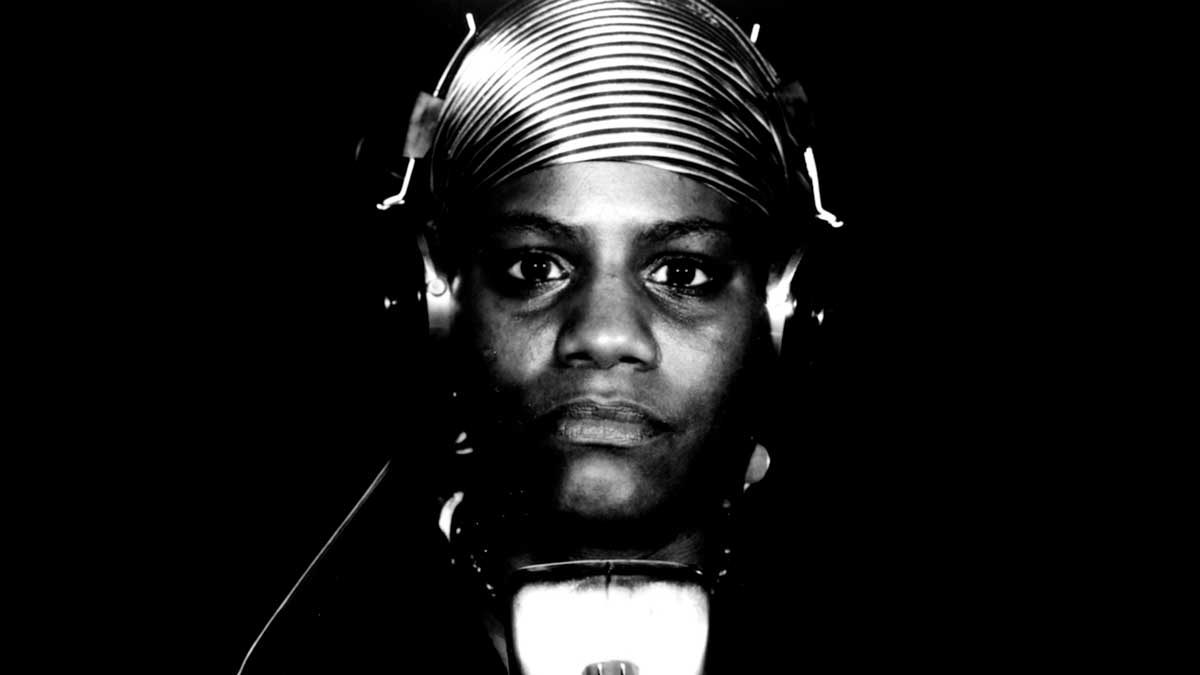
Born in Flames es una película de drama distópico y docuficción estadounidense de 1983, dirigida, producida y co-escrita por la feminista radical e interseccional Lizzie Borden. La película explora el racismo, el clasismo, el sexismo y el heterosexismo en una versión alternativa de una democracia socialista en los Estados Unidos. El título proviene de la canción "Born in Flames", escrita por un miembro de Art & Language, Mayo Thompson, de la banda Red Krayola.
En 1983, la película ganó el premio del Jurado de Lectores en el Festival Internacional de Cine de Berlín y el Gran Premio en el Festival Internacional de Cine de Mujeres de Créteil.
Fue preservada por Anthology Film Archives con financiamiento para restauración de la Hollywood Foreign Press Association y The Film Foundation.
Born in Flames is a 1983 American dystopian docufiction drama film directed, produced and co-written by radical intersectional feminist Lizzie Borden that explores racism, classism, sexism and heterosexism in an alternate socialist democratic United States. The title comes from the song "Born in Flames" written by a member of Art & Language, Mayo Thompson of the band Red Krayola.
In 1983, the film won the Reader Jury prize at the Berlin International Film Festival and the Grand Prix at the Créteil International Women's Film Festival.
Preserved by Anthology Film Archives with restoration funding from the Hollywood Foreign Press Association and The Film Foundation.
Marjorie Baumgarten de The Austin Chronicle escribió: "Bellamente hecha, valientemente editada y de ritmo rápido, esta película desafiante y provocativa es una obra tanto humanista como revolucionaria." Frances Dickinson de Time Out London escribió que Borden "[maneja] su historia con audacia y hace que incluso el argumento más seco chisporrotee con humor, mientras que los momentos más conmovedores arden con un feroz calor blanco." TV Guide le otorgó 2/4 estrellas y escribió: "Esta película feminista gana laureles por su atención al detalle en un esfuerzo cinematográfico radical." Greg Baise de Metro Times la describió como "un hito de principios de los 80 en el cine independiente y queer." En 2022, la película fue clasificada en el puesto 243º en la encuesta de Sight & Sound sobre las Mejores Películas de Todos los Tiempos, empatada con 21 otras películas, incluyendo A Clockwork Orange, Annie Hall, y Possession.
La película ha experimentado una especie de renacimiento después de que la copia restaurada en 35 mm se estrenara en 2016 en Anthology Film Archives, seguida de la promoción por parte del Criterion Channel y un reestreno que llevó a Borden a proyecciones alrededor del mundo. Richard Brody de The New Yorker escribió: "La libre, ardiente y espontánea creatividad de Born in Flames surge como un modo indispensable de cambio radical, uno que muchos cineastas contemporáneos con intenciones políticas aún no han asimilado." También escribió: "La emocionante historia en forma de collage de Borden presenta reportajes, secuencias documentales y material de vigilancia junto con escenas de acción intensas y números musicales; su visión violenta es tanto ideológicamente compleja como escalofriante." Melissa Anderson de The Village Voice escribió: "Esta película desordenada y clasificable —quizás la única entrada en el género híbrido de ciencia ficción radical-lesbiana-feminista— se estrenó dos años después del régimen de Reagan, pero su furia resulta tan revitalizante hoy como lo fue cuando este país comenzó su inexorable giro hacia la derecha." Borden fue invitada a mostrar la nueva copia de 35 mm en Bruselas, Barcelona, Madrid, San Sebastián, Milán, Toronto, el Festival de Cine de Edimburgo, el Festival de Cine de Londres, además de proyecciones en Detroit, Rochester, San Francisco y Los Ángeles.
Marjorie Baumgarten of The Austin Chronicle wrote "Beautifully made, courageously edited, and swift-moving, this challenging, provocative film is a work that is both humanist and revolutionary." Frances Dickinson of Time Out London wrote that Borden "[handles] her story with audacity and make[s] even the driest argument crackle with humour, while the more poignant moments burn with a fierce white heat." TV Guide rated it 2/4 stars and wrote "This feminist film wins laurels for close attention to detail in a radical filmmaking effort." Greg Baise of the Metro Times called it "an early '80s landmark of indie and queer cinema". In 2022, the film was ranked joint 243rd in Sight & Sound's Greatest Films of All Time poll, tied for the distinction along with 21 other films, including A Clockwork Orange, Annie Hall, and Possession.
The film has experienced something of a renaissance after the 35mm restoration print premiered in 2016 at the Anthology Film Archives. followed by promotion by the Criterion Channel and a re-release that took Borden to screenings around the world. Richard Brody of The New Yorker wrote "the free, ardent, spontaneous creativity of Born in Flames emerges as an indispensable mode of radical change—one that many contemporary filmmakers with political intentions have yet to assimilate." He also wrote "Borden's exhilarating collage-like story stages news reports, documentary sequences, and surveillance footage alongside tough action scenes and musical numbers; her violent vision is both ideologically complex and chilling." Melissa Anderson of The Village Voice wrote "this unruly, unclassifiable film — perhaps the sole entry in the hybrid genre of radical-lesbian-feminist sci-fi vérité — premiered two years into the Reagan regime, but its fury proves as bracing today as it was back when this country began its inexorable shift to the right." Borden was invited to show the new 35mm print in Brussels, Barcelona, Madrid, San Sebastián, Milan, Toronto, the Edinburgh Film Festival, London Film Festival, along with screenings in Detroit, Rochester, San Francisco, and Los Angeles.
Borden describió los orígenes de la película en una entrevista de 1983 con The Independent: “Estaba muy angustiada al llegar a Nueva York y vivir aquí durante mucho tiempo y descubrir que este grupo de feministas no interactuaba con ese otro grupo de feministas. … La clase y la raza realmente dividían a las personas…. Así que la película realmente trataba de crear un contexto y una razón para trabajar con tipos de mujeres muy diferentes.”
Filmada en 16 mm a color de manera intermitente desde 1978 hasta 1983, Born in Flames presenta un Downtown diverso antes de la gentrificación, con actuaciones de activistas y artistas locales como Flo Kennedy, Adele Bertei, Honey, Becky Johnston, Kathryn Bigelow y Eric Bogosian.
Borden described the origins of the film a 1983 interview with The Independent: “I was very distraught coming to New York and living here a long time and finding that this group of feminists didn’t deal with that group of feminists. …Class and race really did divide people…. So the film was really about creating a context and reason to work with very different kinds of women.”
Shot on color 16mm intermittently from 1978 to 1983, Born in Flames presents a diverse Downtown prior to gentrification, featuring performances by local activists and artists including Flo Kennedy, Adele Bertei, Honey, Becky Johnston, Kathryn Bigelow, and Eric Bogosian.