CINEINFINITO / Centro Cultural Doctor Madrazo
Martes 13 de Agosto de 2024, 19:30h. Centro Cultural Doctor Madrazo
Calle Casimiro Sainz, s/n
39004 Santander
Programa:
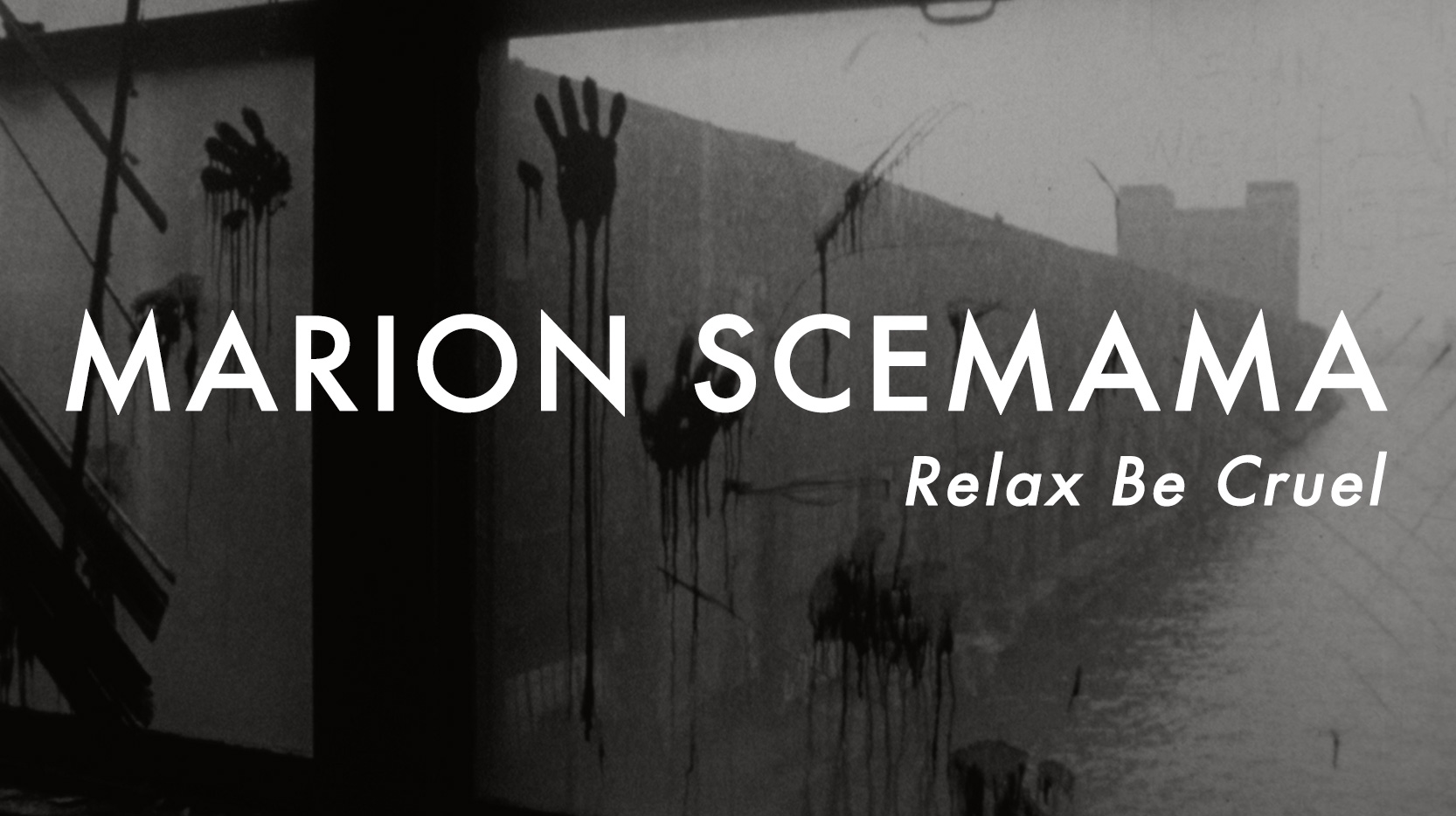
– Relax Be Cruel (1983/2023), 16mm, sonora, b&n, 39 min.
Formato de proyección: HD
Marion Scemama. Empecé como fotógrafo independiente en los años 70, trabajando para Libération, Actuel y otras revistas francesas. En 1981 me trasladé a Nueva York, donde frecuentaba la escena artística del East Village (Nan Goldin, Peter Hujar...). En 1983 conocí al artista David Wojnarowicz, pintor, escritor, fotógrafo, performer y cineasta. De este encuentro nació una asociación artística que duraría hasta su muerte por sida en 1992. Los últimos diez años de su vida estuvieron marcados por numerosas colaboraciones (vídeos, fotos, performances), mostradas en espacios culturales como el Palais de Tokyo, el Centro Georges Pompidou, la Feria Internacional de Arte Contemporáneo de Miami, la galería P.P.O.W, NY y otros espacios institucionales. En 2018, dirigí el largometraje documental "Self-Portrait in 23 Rounds, a Chapter in David Wojnarowicz's Life, 1989- 1991", presentado en el Whitney Museum durante la retrospectiva que se le dedicó. La película ha sido seleccionada para el Festival de Cine de Berlín 2019 y nominada en la categoría de Mejor Ensayo Documental.
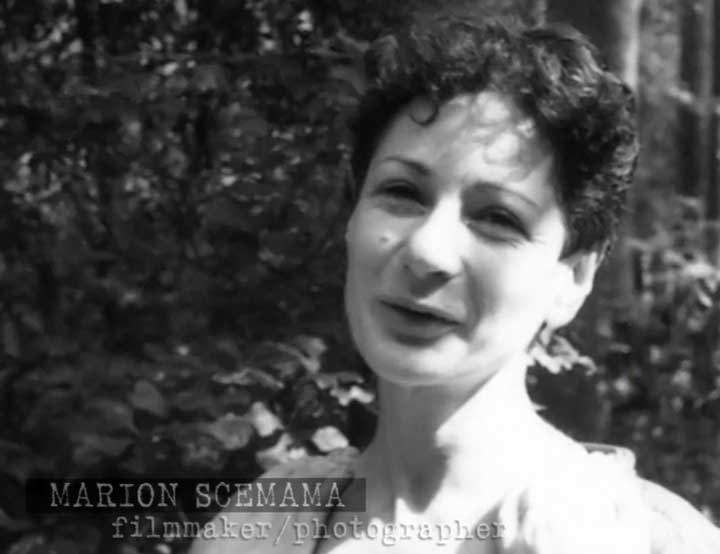
Según cuenta la fotógrafa y cineasta Marion Scemama, llegó a Nueva York con la intención de quedarse tres meses, pero terminó quedándose cinco años. Scemama se mudó allí en 1981, después de una década de trabajo como fotoperiodista en periódicos de izquierda en París. En el verano de 1983, comenzó a frecuentar el Muelle 34, una terminal de carga abandonada en el río Hudson, desgastada por años de agua y viento. Para entonces, era un popular punto de encuentro gay, y los artistas David Wojnarowicz y Mike Bidlo empezaron a invitar a artistas de la escena del East Village para crear arte libremente (aunque ilegalmente) en el espacioso lugar. Transformaron el edificio en una galería improvisada y anticomercial, llena de murales y instalaciones pintadas anónimamente por artistas como Kiki Smith, Rob Jones y el propio Wojnarowicz, quien lo apodó “el verdadero MoMA”.
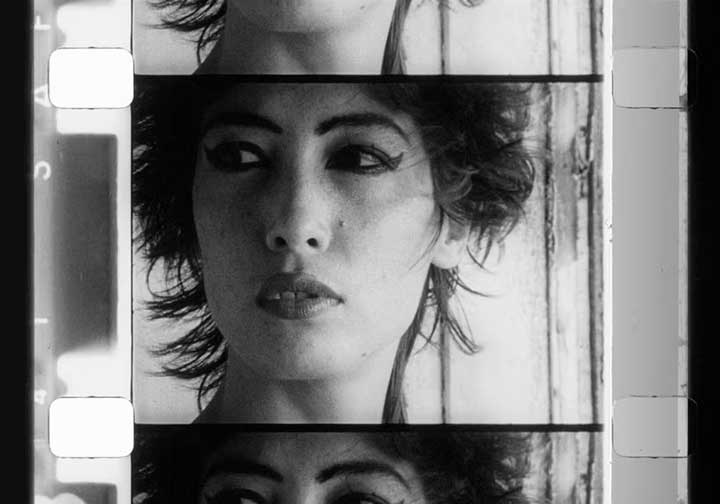
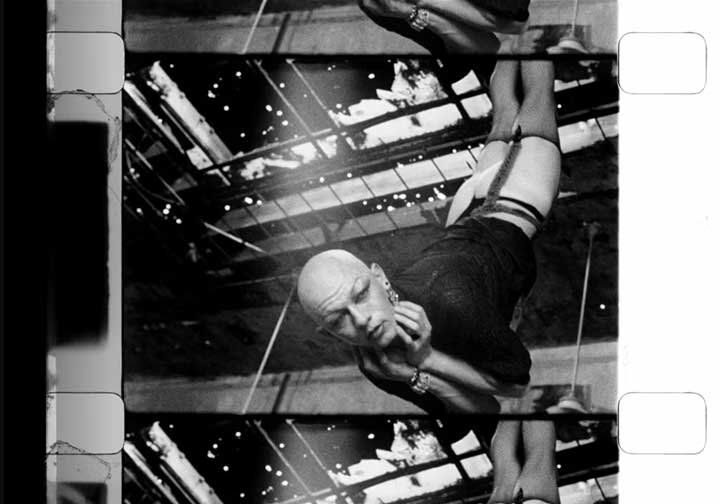
Fascinada por la decadencia, el sexo y el arte anónimo que encontró allí, Scemama comenzó a trabajar en una película narrativa ambientada en el muelle, eligiendo a no-actores que conoció durante muchas noches en lugares del East Village como el Pyramid Club. Trabajando con la cineasta francesa Maryse Alberti (quien filmó Dottie Gets Spanked y Poison), filmaron Relax Be Cruel en una película granulada de 16 mm en blanco y negro para capturar las sombras y la luz marcadas del espacio que había estudiado durante meses. La película se centra en una chica punk que pasa el verano ocupando el muelle, atrapada en su misteriosa atracción de creación y destrucción. La ciudad demolió el Muelle 34 en 1984, y no fue hasta 2020 que Scemama regresó al material filmado, elaborando por fin una narrativa sobre el sitio desaparecido.
Seis meses después de filmar Relax Be Cruel, Marion conoció a David Wojnarowicz mientras estaba asignada a la revista francesa ICI New York. El breve encuentro dio lugar a desayunos diarios que se extendían durante horas, durante los cuales hablaban sobre política y sus sueños. Wojnarowicz vio a Scemama antes de que ella pudiera verse a sí misma: “David fue la primera persona que me dijo, ‘pero tú eres una artista.’ Este tipo... cambió todo sobre cómo me consideraba a mí misma.” Pronto estaban colaborando. Trabajando detrás del lente de la cámara, Scemama ayudó a dar vida a los proyectos fotográficos de Wojnarowicz. Crearon un cartel para una exposición en la galería Civilian Warfare del East Village y crearon una litografía para la revista literaria Between C & D. Incorporó sus fotografías en pinturas de técnica mixta para exposiciones en la galería Gracie Mansion y Tim Greathouse Gallery.
Pero a finales de 1985, los dos se habían distanciado. Scemama regresó a París, donde retomó su vida en círculos de izquierda y comenzó a curar exposiciones de fotografía. Se reencontraron cuando Scemama regresó a Nueva York tres años después, comenzando un nuevo capítulo de su relación. Pasaron un verano en el norte del estado de Nueva York, experimentando a diario con una cámara de video y viendo las tomas cada noche. Para entonces, a Wojnarowicz le habían diagnosticado VIH. Reflexionando sobre sus colaboraciones en video, Scemama recordó: “Tenía esta cámara que no era solo un objeto, sino una extensión de la mente de David a través de mis ojos y mi brazo... una forma de alejar el creciente sentimiento de muerte que nos rodeaba.” Muchas de estas piezas íntimas de video permanecieron sin verse hasta mediados de la década de 2010, cuando Scemama regresó a una extensa entrevista de cuatro horas que filmó entre Wojnarowicz y el teórico cultural Sylvère Lotringer. A partir de esta y otras grabaciones de video, elaboró el documental de larga duración Self-Portrait in 23 Rounds: a Chapter in David Wojnarowicz’s Life, 1989–1991, estrenado en 2018.
En el verano de 1991, Wojnarowicz y Scemama se embarcaron en lo que sería su último viaje por carretera. Condujeron hacia el oeste a través de los Estados Unidos, deteniéndose en Nuevo México para crear una fotografía que Wojnarowicz había dibujado en su mente: Untitled (Face in Dirt). En la imagen en primer plano, Scemama capturó el rostro de Wojnarowicz casi cubierto de tierra tosca del desierto, como si estuviera siendo tragado por la tierra. Ella recordó: “Me di cuenta de que él me estaba dando lo que no podría darme más tarde: me había hecho testigo de su muerte.” Murió un año después a causa de una enfermedad relacionada con el SIDA. La imagen que crearon fue su última colaboración y la última fotografía de Wojnarowicz.
En 1994, Scemama comisarió la primera exposición en Francia sobre la crisis del SIDA, La Vie, l’Amour, la Mort, en las Galerías Photo Fnac. Pasarían algunas décadas más para que el propio trabajo de Scemama de este período tomara protagonismo: exposiciones en New Galerie en París han mostrado su vasto cuerpo de trabajo fotográfico y de video de esta época, revelando un retrato de un tiempo perdido, una amistad profunda y la propia artista.
The way the photographer and filmmaker Marion Scemama tells it, she arrived in New York City planning to stay for three months, and instead stayed for five years. Scemama moved there in 1981, following a decade of work as a photojournalist at leftist newspapers in Paris. In the summer of 1983 she began frequenting Pier 34—an abandoned shipping terminal on the Hudson River battered by years of water and wind. It was a popular gay cruising spot by the time artists David Wojnarowicz and Mike Bidlo began inviting artists from the East Village scene to create art freely (if illegally) in the cavernous space. They transformed the building into an anti-commercial, makeshift gallery filled with anonymously painted murals and installations by artists like Kiki Smith, Rob Jones, and Wojnarowicz himself, who dubbed it “the real MoMA.”
Enthralled by the decay, sex, and anonymous art she encountered there, Scemama began work on a narrative film set on the pier, casting nonactors she met throughout many nights spent at East Village spots like the Pyramid Club. Working with French cinematographer Maryse Alberti (who filmed Dottie Gets Spanked and Poison), they filmed Relax Be Cruel on gritty 16mm, black-and-white film to capture the stark shadows and light of the space she had studied for months. The film centers on a punk girl who spends the summer squatting at the pier, caught in its mysterious allure of creation and destruction. The city demolished Pier 34 in 1984, and it wasn’t until 2020 that Scemama returned to the footage, at last crafting a narrative about the long-gone site.
Six months after filming Relax Be Cruel, Marion met David Wojnarowicz while on assignment for the French magazine ICI New York. The brief meeting led to daily breakfasts that stretched for hours, during which they talked about politics and their dreams. Wojnarowicz saw Scemama before she could see herself: “David was the first person who said to me, ‘but you’re an artist.’ This guy…changed everything about how I considered myself.” Soon they were collaborating. Working behind the camera lens, Scemama helped bring Wojnarowicz’s photographic projects to light. They created a show poster for an exhibition at the East Village gallery Civilian Warfare, and created a lithograph for Between C & D literary magazine. He incorporated her photographs into mixed-media paintings for gallery shows at Gracie Mansion and Tim Greathouse Gallery.
But by the end of 1985 the two had fallen out. Scemama returned to Paris, where she resumed life in leftist circles and began curating photography exhibitions. They reconnected when Scemama returned to New York three years later, beginning a new chapter of their relationship. They spent a summer in upstate New York, experimenting daily with a video camera and watching the rushes each night. By then, Wojnarowicz had been diagnosed with HIV. Reflecting on their video collaborations, Scemama recalled: “I had this camera that wasn’t just an object but an extension of David’s mind through my eyes and my arm…a way of pushing away the growing feeling of death surrounding us.” Many of these intimate video pieces went unseen until the mid-2010s, when Scemama returned to a sprawling four-hour interview she filmed between Wojnarowicz and cultural theorist Sylvère Lotringer. From this and other video recordings, she crafted the feature-length documentary Self-Portrait in 23 Rounds: a Chapter in David Wojnarowicz’s Life, 1989–1991, released in 2018.
In the summer of 1991 Wojnarowicz and Scemama embarked on what would be his last road trip. They drove west across the United States, stopping in New Mexico to create a photograph Wojnarowicz had sketched in his mind: Untitled (Face in Dirt). In the close-up image Scemama captured Wojnarowicz’s face nearly covered in coarse desert dirt, as if he’s being swallowed by the earth. She recalled: “I realized he was giving me what he wouldn’t be able to give me later: he had made me a witness to his death.” He died one year later from AIDS-related illness. The image they created was their final collaboration, and Wojnarowicz’s last photograph.
Relax Be Cruel (1983/2023)
En 1983, hice una película en Nueva York en el Muelle 34, un almacén abandonado abierto a los elementos y a encuentros homosexuales anónimos, con paredes decoradas con grandes murales, a menudo de contenido sexual. Se rodó en 16mm en blanco y negro con una cámara Äaton. Al principio, era una ficción, la historia de una punk marginal en busca de vivienda, vagamente artista, que ocupaba el lugar. La película trataba sobre la historia de varios encuentros aleatorios con otras personas marginadas, cada una tan extraña como las demás, y las intrigantes escenas de encuentros sexuales anónimos que ella presenciaba a través de agujeros en las paredes, techos deteriorados y oscuros pasillos, todo ello arrullado por el murmullo del río Hudson y los haces de luz que penetraban las fachadas y techos abiertos.
Como suele suceder, con los años y los giros de la vida, incluido un incendio en mi casa, perdí los negativos y la copia de trabajo de esta película. Me quedé con varias horas de tomas descartadas y material no utilizado, cuyas imágenes y sonidos seguían siendo estéticamente hermosos. Gracias a Atelier 105, pude hacer este nuevo montaje de 40 minutos, el único testimonio filmado del Muelle, que fue demolido poco después y que, con los años, se convirtió en emblemático de la efervescente escena underground que explotó a principios de los años 80, el último espacio de libertad antes de los años del sida.
– Marion Scemama
In 1983, I made a film in New York at Pier 34, an abandoned warehouse open to the elements and to anonymous homosexual encounters, with walls decorated with large murals, often of a sexual content. It was shot in 16mm B&W with an Äaton camera. At the beginning it was a fiction, the story of a marginal punk in need of housing, vaguely artist and who squatted the place. The film was about the story of various random encounters with other marginalized people, each as bizarre as the others, and the intriguing scenes of anonymous sexual encounters she witnessed through holes in the walls, dilapidated ceilings, and dark corridors, all of which were lulled by the lapping of the Hudson River and the sprays of light that pierced the gaping facades and roofs.
As it happens, over the years and through the twists and turns of life, including a fire at my house, I lost the negatives and working copy of this film. I was left with several hours of outtakes and unused rushes, whose images and sounds remained aesthetically beautiful.
Thanks to Atelier 105, I was able to make this new 40-minute cut, the only filmed testimony of the Pier, which was demolished shortly afterwards, and over the years became emblematic of the boiling underground scene that exploded in the early 80s, the last space of freedom before the AIDS years.
– Marion Scemama